
The Luxury of Light: How to Plan Day-to-Night Lighting in High-End Homes
Lighting is one of the most powerful tools in luxury interior design. It shapes mood, enhances architecture, elevates materials, and transforms how every room feels at different hours of the day. In high-end homes, lighting is not for illumination; it creates a dynamic environment that adapts beautifully from morning to night, complementing natural light during the day and offering layers of ambience after sunset.
Day-to-night lighting design requires intention, precision, and a clear understanding of how light interacts with space. From layering techniques to colour temperature and architectural integration, this piece explores how to craft a lighting scheme that reflects true luxury living.
UNDERSTANDING DAYLIGHT AND ITS INFLUENCE ON INTERIORS
Natural light is the foundation of a luxury lighting plan. The way sunlight shifts throughout the day influences colour, texture, and spatial perception.
Morning light is crisp, cool, and energising. It works best in spaces designed for activity: kitchens, home offices, gyms etc. Designers often keep these rooms light and airy, with finishes that bounce sunlight instead of absorbing it.
Midday brightness is the strongest and most neutral daylight. Rooms with south-facing windows typically receive the most consistent light. This is where glare control becomes vital through sheer curtains, architectural fins, or adjustable blinds. In luxury settings, diffuse daylight helps maintain a calm visual environment, especially in open-plan living spaces filled with reflective surfaces.
Evening light carries a warm, soft glow that works seamlessly with ambient lighting indoors. Luxury homes often take advantage of this through window placement, low-profile glazing, and organic materials that enrich the golden undertones.
Understanding the character of daylight helps designers craft artificial lighting that complements rather than competes with natural conditions.
LAYERED LIGHTING: THE FOUNDATION OF HIGH-END ILLUMINATION
Every luxury home uses a layered lighting strategy. It ensures a balanced environment and provides flexibility from day to night. There are three key layers:
Ambient Lighting
Ambient lighting provides the general brightness of a room. It must be soft, consistent and evenly distributed. In luxury interiors, ambient lighting usually comes from architectural sources such as:
Recessed downlights that maintain a minimalist aesthetic while offering strong coverage.
Integrated ceiling coves that cast soft glows and enhance the height of a space.
Large-scale statement fixtures in key rooms such as entry halls and living rooms.
The goal is to set a calm baseline that can be brightened or dimmed depending on the time of day.
Task Lighting
Task lighting supports functional needs. In high-end homes, the quality of task lighting is elevated by attention to colour accuracy, glare control, and craftsmanship. Examples include:
Under-cabinet lighting in kitchens for precise food preparation.
Reading lamps with directional beams in living rooms and bedrooms.
Pivoting sconces in home libraries or studies to highlight work surfaces.
Luxury design ensures the light is placed exactly where needed without overwhelming the room.
Accent Lighting
Accent lighting brings depth and drama. It highlights architectural features, artwork, alcoves, and textures. This may include:
Picture lights that enhance the presence of art.
LED strips that outline shelving or steps.
Spotlights that add contrast to sculptures or feature walls.
From day to night, accent lighting transforms a room’s personality by emphasising its most beautiful elements.

WARMTH, TONE, AND TEMPERATURE: MASTERING COLOUR TEMPERATURE
Colour temperature affects how rooms feel at different times of day. Luxury interiors rely on careful warm-to-cool balance.
Cooler Tones for Daytime: Cool white light feels energising and works well in active spaces. Designers typically use cooler tones (around 3500K) in areas where clarity is essential, such as kitchens. dressing rooms, and bathrooms with vanity mirrors. These tones mimic morning light and keep spaces visually sharp.
Warmer Tones for Evenings: Warm white light (around 2700K) is timeless in luxury interiors. It enhances fabrics, softens shadows, and creates intimate atmospheres. Bedrooms, dining areas, and lounges benefit from warm light sources that mirror candlelight.
Dynamic Lighting: Advanced lighting systems allow homeowners to shift from cool to warm as the day progresses. This supports natural circadian rhythms and ensures the home always feels aligned with the time of day. Many luxury residences now include automated colour tuning for seamless transitions.
ARCHITECTURAL LIGHTING
Architectural lighting is integral to luxury interiors. Instead of simply installing fixtures, the lighting becomes part of the architecture.
Cove Lighting: Cove lighting creates soft, upward illumination. It gives ceilings a floating appearance and removes harsh shadows. This is particularly effective in living rooms, dining areas, and master suites.
Integrated Joinery Lighting: Lighting built into joinery adds a bespoke touch. Cabinetry, display shelves, wardrobes, and bars often include warm LED strips that highlight materials and craftsmanship.
Shadow Gaps and Hidden Channels: High-end homes frequently use concealed lighting to create a contemporary, seamless look. Shadow gaps at the edges of walls or beneath cabinets allow light to spill in a refined, understated way.
Backlit Materials: Backlighting stone, glass, or onyx panels gives surfaces a luxurious glow. When used in entrances or powder rooms, the effect is striking both during the day and after dark.
STATEMENT FIXTURES AND THE ART OF DECORATIVE LIGHTING
Decorative lighting elevates luxury interiors by adding sculptural beauty. These fixtures are selected not only for their luminosity but for their artistic value.
Chandeliers: A chandelier sets the tone for an interior. In luxury homes, the most successful chandeliers are those that complement the room’s scale and style. Modern crystal, sculpted metal, or blown glass pieces often become centrepieces.
Pendants: Used above dining tables, kitchen islands, or staircases, pendants introduce rhythm and proportion. Grouping pendants at varying heights can create visual drama during evening entertaining.
Wall Sconces: Sconces add elegance and softness. They spread light across the wall rather than projecting downward, which makes them ideal for hallways, dressing areas, and lounges.
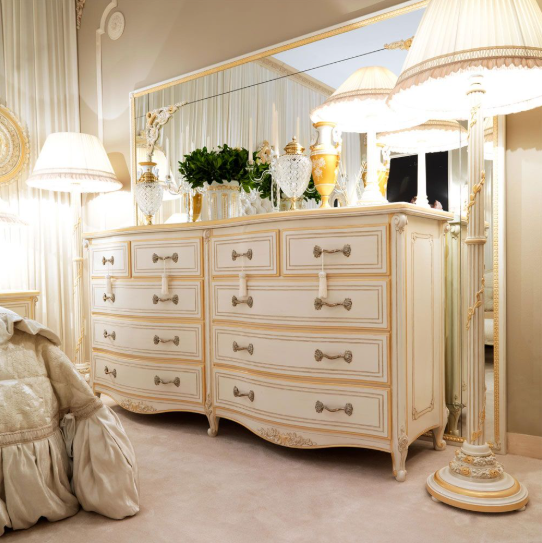
Floor and Table Lamps: These add warmth and provide flexible evening lighting. Lamps with diffusers or soft shades create pools of inviting light that enhance relaxation.
Decorative lighting acts as jewellery for the home. It bridges beauty and purpose while shifting seamlessly from day to night.
LIGHTING FOR SPECIFIC ROOMS
Different rooms require unique lighting strategies. Here is how to approach each:
Living Rooms
Layering is crucial in living rooms. Recessed lights offer general brightness during the day, while lamps and accent lights provide evening ambience. If the room has artwork or sculptural objects, directional lighting helps bring them to life.
Kitchens
Kitchens need bright, functional lighting during the day. Under-cabinet LEDs support food preparation, while pendants over islands introduce a softer evening tone. The space should transition effortlessly from daytime cooking to nighttime gatherings.
Bedrooms
Bedrooms must feel tranquil. Warm bedside lamps, concealed cove lighting, and low-level floor lights help create a restful evening environment. If the room includes a vanity or dressing area, brighter task lighting supports grooming during daylight hours.
Bathrooms
Vanity lighting should be bright and accurate. Wall-mounted sconces or vertical lights beside mirrors minimise shadows. In spa-like bathrooms, soft perimeter lighting and dimmable sconces provide a peaceful evening retreat.
Dining Rooms
Evening lighting is key in dining rooms. A central chandelier combined with dimmable wall lights or floor lamps helps shape the atmosphere. The lighting should highlight the table without flooding the room.
Hallways and Staircases
These areas benefit from subtle architectural lighting. Concealed strips on handrails, recessed step lights, and low-level wall sconces help guide movement after dark.
SMART CONTROL: PERSONALISING LIGHT
In luxury homes, smart lighting control is indispensable. It ensures lighting adapts naturally to daily routines.
Automated Scenes allow homeowners to preset scenes such as morning refresh,
afternoon brightness, dinner ambience, late-night low-glow, etc. These scenes adjust the colour temperature, brightness, and combination of light sources.
Daylight sensors help maintain consistent light levels throughout the day by adjusting artificial lighting automatically. This prevents rooms from feeling flat or overly lit.
Dimming adds nuance. It lets homeowners fine-tune their lighting as the day moves into evening, creating softer edges and intimate environments.
Smart control ensures the home feels luxurious around the clock, with lighting perfectly tuned to every moment.
Day-to-night lighting is a hallmark of luxury design. It makes a home feel intentional, sophisticated, and alive. When natural light, architectural techniques, layered illumination, and smart systems work together, the result is an environment that evolves beautifully through each hour. The luxury of light lies in its ability to transform atmosphere, enhance interior features, and align with the rhythm of daily life. For homeowners and designers, a well-planned lighting strategy is one of the most powerful investments in creating a home that feels extraordinary from morning to midnight. Get in touch with The Revealry today to commission a statement lighting piece for your interior.


Comments