
Textures That Work in Luxury Interiors
Texture is one of the most powerful tools in luxury interior design. While colour, layout, and furniture choices are often celebrated, texture is the quiet force that brings sophistication, depth, and warmth to a space. It defines how a room feels as much as how it looks. A perfectly styled room can still fall flat without the right interplay of textures; conversely, even a simple colour palette can feel opulent when layered with tactile richness.
In luxury interiors, texture serves as a bridge between craftsmanship and emotion. It’s what distinguishes a truly high-end space from one that merely looks expensive. In this post, we explore how texture works in luxury design, how to layer it effectively, and how lighting, scale, and finish choices can elevate the feel of a space from visually pleasing to deeply immersive.
WHY TEXTURE SHOULD MATTER IN LUXURY HOMES
In luxury design, texture is not simply a decorative detail. It is a defining feature. It influences the perception of quality and the atmosphere of a room, giving it dimension, personality, and tactile appeal.
Texture engages the senses. Smooth marble, soft velvet, weathered oak, and brushed brass all communicate differently, inviting touch and shaping mood. A space dominated by sleek finishes might feel cold, while one filled with plush fabrics and natural wood radiates comfort and understated luxury. The balance between these sensations is what creates harmony.
Luxury is also about authenticity. Textures derived from natural materials—such as linen, silk, wool, and stone—instantly convey integrity and craftsmanship. They tell a story of how something was made and what it’s made from. In high-end interiors, texture becomes a language of detail: the hand-finished plaster wall, the woven silk drapery, the grain of bespoke timber joinery. These tactile nuances are what clients subconsciously associate with refinement and exclusivity.
KEY TEXTURE CATEGORIES IN LUXURY INTERIORS
A luxury interior thrives on material variety and thoughtful juxtaposition. Below are the main texture families that consistently perform well in elegant, timeless spaces.
1. Natural Materials
Natural materials have an enduring appeal because they connect interiors to the earth. Stone, wood, marble, and metals like bronze or brass each carry their own tactile and visual signature.
Wood: The texture of wood can range from smooth and polished to raw and weathered. In luxury homes, fine woods like walnut, oak, or teak are often used for flooring, cabinetry, or wall panelling. The natural grain adds depth and warmth, grounding even the most contemporary spaces.
Stone: From honed marble to textured travertine, stone adds weight and permanence. The slight imperfections, veining, and tactile variations in natural stone make each piece unique. It’s one of the most expressive ways to bring texture into high-end interiors.
Metals: Brushed brass, patinated bronze, and antique gold are popular in luxury spaces because they introduce subtle shine and tactile contrast. Metal surfaces, when thoughtfully used alongside matte finishes, prevent a room from feeling too soft or monotonous.
2. Textiles and Upholstery
Fabric is one of the most immediate ways to introduce texture. In luxury settings, it’s rarely just about comfort; it is also about layering and balance.
Velvet: Deep and opulent, velvet adds richness and light absorption. Its smooth pile gives off a soft shimmer under low lighting, which works beautifully in sitting rooms or bedrooms.
Silk and Satin: These materials bring elegance through sheen and softness. They’re perfect for drapery or cushions, especially when contrasted with matte or rougher surfaces.
Bouclé and Wool: Textured fabrics like bouclé have become staples in high-end design because of their tactile comfort. They soften minimal spaces and add a sense of depth without being visually loud.
3. Finishes and Surfaces
The surface treatment of walls, ceilings, and furniture can transform how texture behaves in a space.
Matte vs Gloss: Matte finishes absorb light, creating calm, grounded spaces, while glossy surfaces reflect it, introducing movement and energy. The balance between the two defines visual rhythm.
Wall Treatments: Textured paint, Venetian plaster, and decorative panelling are excellent for introducing subtle variation without overwhelming the eye. These surfaces often look different depending on lighting direction, adding intrigue.
Architectural Details: Fluted wood, reeded glass, and ribbed stone are becoming signatures of modern luxury. They add tactile sophistication while maintaining simplicity, offering a timeless approach to texture.
HOW TO LAYER TEXTURE EFFECTIVELY
Layering textures is an art form, and when done right, it can elevate even a neutral room into a sensory masterpiece. The goal is not to crowd the space with variety but to curate balance and contrast thoughtfully.
Start With the Base Layer: This includes architectural surfaces such as flooring, wall finishes, and large furniture pieces. A honed limestone floor or panelled oak wall sets the foundation. These larger surfaces define the character of the room’s tactile palette.
Introduce Mid-layer Textures: Once the base is set, introduce softer elements—upholstery, curtains, and rugs. For instance, a velvet sofa against a textured plaster wall can create a luxurious contrast. These mid-layer materials are where comfort meets sophistication.
Add Accent Textures: Accent textures are the finishing touches that give the space its identity. Think metallic light fixtures, sculptural ceramics, or a mohair throw. These small details complete the textural hierarchy, adding finesse and intentionality.
Balance is Key: Too many competing textures can confuse the eye. Pair smooth with rough, soft with structured, shiny with matte. Each texture should serve a purpose, either to ground, soften, or highlight another element. The most successful interiors use restraint and contrast rather than excess.
Create Flow Across Rooms: In luxury homes, texture continuity matters. A thread of consistent material—like brushed metal or natural stone—used across different spaces ties the design together, ensuring visual harmony.
TEXTURE, LIGHT, AND SCALE
Texture and light are inseparable. The way light falls on a surface determines how that texture is perceived. Directional lighting, for instance, emphasises relief and shadow, making textures more pronounced. Diffused lighting, on the other hand, softens edges and reduces contrast. In luxury interiors, lighting design is deliberate. A textured wall finish might appear dramatically different under warm evening light than in daylight. Designers often exploit this, choosing materials that reveal depth and movement under changing conditions.
Scale also influences how textures behave. Large-scale textures, such as fluted stone or oversized weaves, make bold statements, while finer textures like silk or micro-embossed wallpaper introduce subtlety. The choice depends on the room’s size and the level of intimacy desired.
Colour plays a supporting role in how texture is perceived. Monochromatic palettes often benefit from a range of textures to maintain interest. For example, a room layered in shades of cream can still feel dynamic if it combines linen drapery, wool rugs, and matte-painted walls. Texture becomes the visual punctuation that keeps the space engaging.
MAINTENANCE, LONGEVITY, AND DURABLE TEXTURES
Luxury design goes beyond initial impact to also emphasise enduring beauty. When selecting textured materials, it’s crucial to consider how they age and wear over time.
Durability: High-traffic areas like hallways or living rooms benefit from resilient textures such as hard-wearing wool or sealed natural stone. Fragile finishes, like untreated metals or delicate fabrics, work better as accents.
Maintenance: Some materials require regular care to preserve their beauty. For example, polished brass develops patina naturally, which can enhance or detract depending on preference. Velvet needs occasional brushing to maintain its pile, while plaster finishes may need gentle cleaning.
Longevity: The best luxury interiors age gracefully. Choose textures that not only look beautiful today but will remain elegant in ten years. Materials that acquire character—like leather, aged wood, and patinated metal—often grow more beautiful with time.
Sustainability also enters the conversation here. Natural, responsibly sourced materials not only feel authentic but also align with modern luxury values of ethical design and longevity.
COMMON MISTAKES AND HOW TO AVOID THEM
Even with the finest materials, poor textural planning can compromise a space.
Overcomplicating the Palette: Using too many textures creates visual noise. Limit the number of dominant materials and repeat them throughout to maintain unity.
Ignoring Cohesion: Each texture should contribute to the overall narrative. A glossy marble surface might feel out of place in a rustic linen-filled interior unless carefully balanced.
Neglecting Lighting: A poorly lit texture loses its power. Always consider how natural and artificial light interact with materials before finalising choices.
Chasing Trends: Texture trends change. Avoid fleeting finishes or synthetic imitations that lack depth or integrity. Invest in timeless, natural materials that express quality.
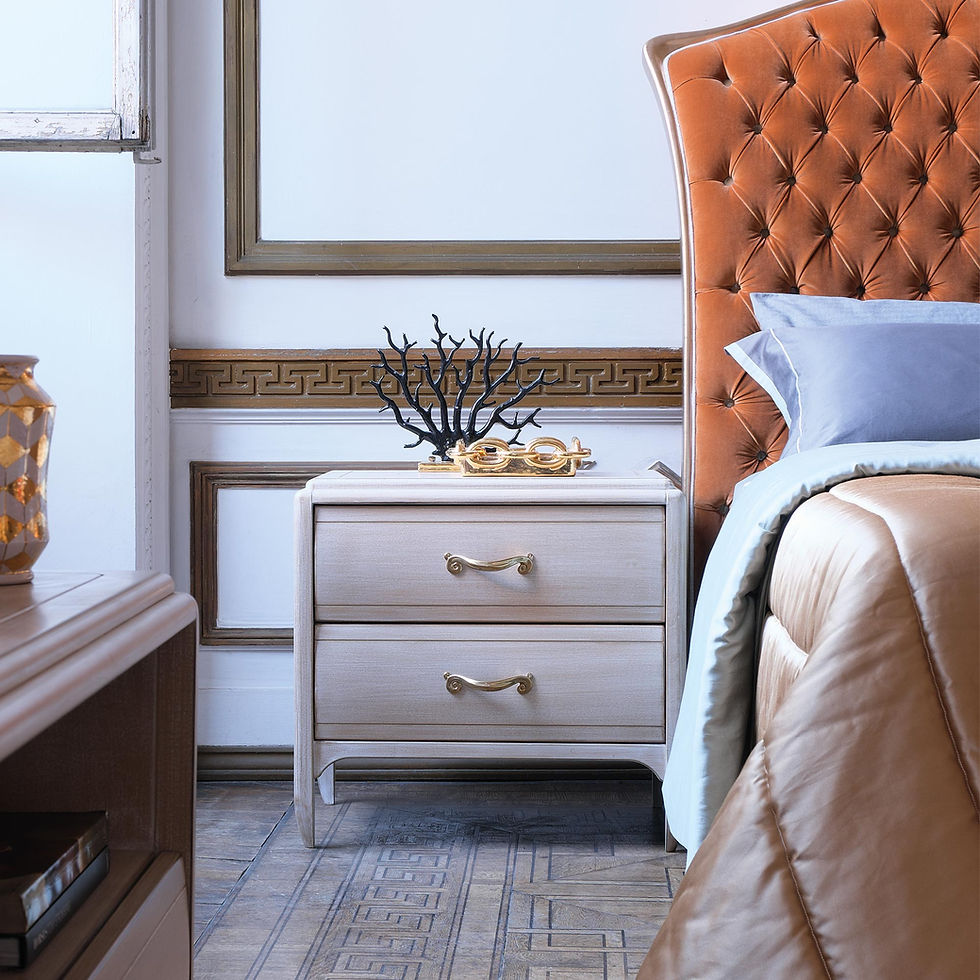
Texture is the soul of luxury interiors. It brings warmth, tactility, and emotion into what could otherwise be static spaces. Through thoughtful layering, material integrity, and attention to light, designers can create rooms that are not only visually impressive but deeply sensory. The key is restraint and intention: every surface, fabric, and finish should feel considered and connected. When chosen well, textures don’t just decorate a room, they define it.


Comments