
Textiles for Luxury Interiors
In luxury interiors, textiles are more than finishing touches. They are the elements that bring warmth, function and refined artistry into a space. Every fabric tells a material story, and in high-end design, the choice of textile matters just as much as the selection of furniture or architectural finishes. When chosen thoughtfully, textiles elevate interiors through texture, colour, depth and comfort, transforming a room from visually pleasing to truly exceptional.
This guide explores the textiles that define luxurious living. It covers the fibres, weaves, applications, and design considerations that help homeowners and designers craft sophisticated, long-lasting interiors.
WHAT MAKES A TEXTILE LUXURIOUS?
Luxury textiles stand apart because of four core factors: fibre quality, craftsmanship, structural integrity and tactile finish. These characteristics work together to create fabrics that feel elevated, age beautifully, and support the desired mood of the space.
Fibre Quality: High-end textiles often begin with superior natural fibres. Silk, wool, linen, mohair, and cashmere each bring inherent benefits. Silk offers lustre and elegance, wool and mohair provide durability, linen adds breathability and crisp texture, and cashmere delivers unmatched softness. When fibres are long-staple or carefully sourced, they produce stronger yarns, richer colours and finer hand-feels.
Craftsmanship: Luxury fabrics are frequently woven on specialised looms by skilled artisans. Techniques such as jacquard weaving, brocade, and lampas require advanced expertise. Intricate patterns, raised motifs and multi-layered compositions are possible only through high-level craftsmanship, and this is often what sets designer fabrics apart from mass-market alternatives.
Structural Integrity: The density and stability of a weave determine how well a textile will hold up over time. High thread counts, tight weaves and refined finishing processes improve resistance to pilling, sagging and wear. This is essential in luxury interiors where longevity and craftsmanship are as important as beauty.
Tactile Finish: Luxury textiles are also defined by how they feel. Whether it is the velvet-like plushness of chenille, the airy crispness of linen, or the smooth gloss of satin, the tactile experience plays a defining role in the perception of quality.
KEY TEXTILE MATERIALS FOR LUXURY INTERIORS
Luxury interiors rely on a curated selection of materials that achieve both visual richness and functional quality. Below are the most influential textiles used in high-end design, along with what makes them effective.
Velvet
Velvet is emblematic of luxury design. Its dense pile structure creates depth, movement and an unmistakable sense of opulence. Silk velvet offers the most luminous sheen, making it ideal for formal spaces and accent pieces. Mohair velvet, derived from the hair of the Angora goat, is prized for its exceptional durability and resistance to crushing, which makes it ideal for upholstery in living rooms and lounges. Synthetic velvets are increasingly used as well, offering a cost-effective alternative with considerable resilience. Velvet works beautifully in curtains, accent chairs, chaise lounges, and decorative cushions. Its ability to catch light enhances ambience and creates a warm, sumptuous visual presence in a room.
Bouclé
Bouclé has become one of the most recognisable luxury fabrics in modern interiors. Its looped or curled yarns create a soft, tactile texture that instantly adds dimension. Most bouclé fabrics are wool-based, which improves their insulating quality and durability. This textile is particularly effective on seating due to its visual depth and tactile comfort. It brings a sculptural quality to armchairs, headboards, and sofas, offering an understated yet sophisticated aesthetic that complements contemporary and minimalist interiors extremely well.
Chenille
Chenille is recognised by its plush, velvety surface created through short-cut pile fibres. It delivers a refined softness and is often more hard-wearing than silk velvet, which makes it suitable for families and high-use areas. It is used extensively on upholstery, throws, and cushions. Chenille’s appeal lies in its ability to offer comfort while maintaining a polished and luxurious appearance.
Silk and Silk Blends
Silk is one of the oldest luxury textiles and remains synonymous with refinement. It has a distinctive sheen, exceptional smoothness and an elegant drape. However, silk is delicate, and it can be susceptible to sunlight and moisture. For this reason, many high-end interiors opt for silk blends, which preserve the beauty of silk while increasing durability. Silk fabrics work beautifully in drapery, decorative cushions, wallcoverings, and light upholstery. They create a refined, formal and softly luminous quality that elevates any room.
Linen and Linen Blends
Linen is a luxury staple because of its breathability, natural texture and relaxed sophistication. It is especially popular in warm climates due to its cooling properties. Pure linen wrinkles easily, but luxury interiors often use linen blends which retain the look of linen while improving elasticity and durability. Linen is ideal for drapery, bedding, soft furnishings, and casual upholstery. In high-end homes, it excels at creating an airy, effortless sense of tranquillity and understated luxury.
Brocade, Jacquard and Damask
These structured, woven textiles are associated with historical grandeur and intricate artistry.
Brocade features raised patterns often woven with silk or metallic threads. It is rich, ornamental, and perfect for formal spaces.
Jacquard fabrics are created using a complex weave that allows detailed patterns to be woven directly into the fabric.
Damask is reversible and often features floral or geometric motifs woven into a satin or sateen background.
These textiles are excellent for drapery, accent upholstery, wall panels and decorative accessories. They bring a regal and timeless touch to interiors.
Lampas and Other Embellished Weaves
Lampas is a historical luxury textile characterised by complex patterns woven with multiple warps and wefts. It often incorporates silk and metallic threads. It is highly extravagant and works beautifully in classical or palatial interiors. Embellished and speciality weaves like these are often used in drapery, formal upholstery, and bespoke wall panels.
Cashmere and Mohair
These ultra-soft fibres are used for high-end throws, cushions and refined upholstery. Cashmere offers an unmatched tactile luxury, while mohair provides lustre and impressive durability. Interiors that utilise these fibres gain an immediate feeling of warmth and comfort.
Performance-Treated Luxury Fabrics
Modern luxury design includes fabrics that maintain a refined appearance while offering enhanced durability. Performance treatments improve resistance to staining, fading and wear, while still preserving the integrity of the textile’s texture and appearance. They make it possible for homeowners to enjoy high-end materials in family homes, hospitality spaces, or living areas that see frequent use.
WHERE AND HOW TO USE THIS TEXTILES
Luxury interiors are crafted through strategic placement of fabrics that support lifestyle and design goals.
Upholstery: Sofas, armchairs, and chaise lounges require textiles that blend comfort with strength. Mohair velvet, bouclé, performance chenille, and high-quality linen blends are excellent choices because they resist wear while contributing style and sophistication.
Drapery: Curtains demand textiles with excellent drape and colour retention. Silk, linen, damask, and jacquard fabrics deliver elegance and movement. Lined drapery increases longevity, prevents fading, and helps maintain shape.
Cushions and Throws: Accent textiles are opportunities to introduce pattern, colour and texture. Velvet, silk, chenille, cashmere, and brocade add richness without overwhelming the room. They also offer an accessible way to rotate seasonal or thematic design choices.
Decorative Panels and Upholstered Walls: Textile wall applications are a hallmark of luxury. Silk, linen, damask, or speciality weaves can turn walls into architectural features that improve acoustics and elevate the visual composition of the room.
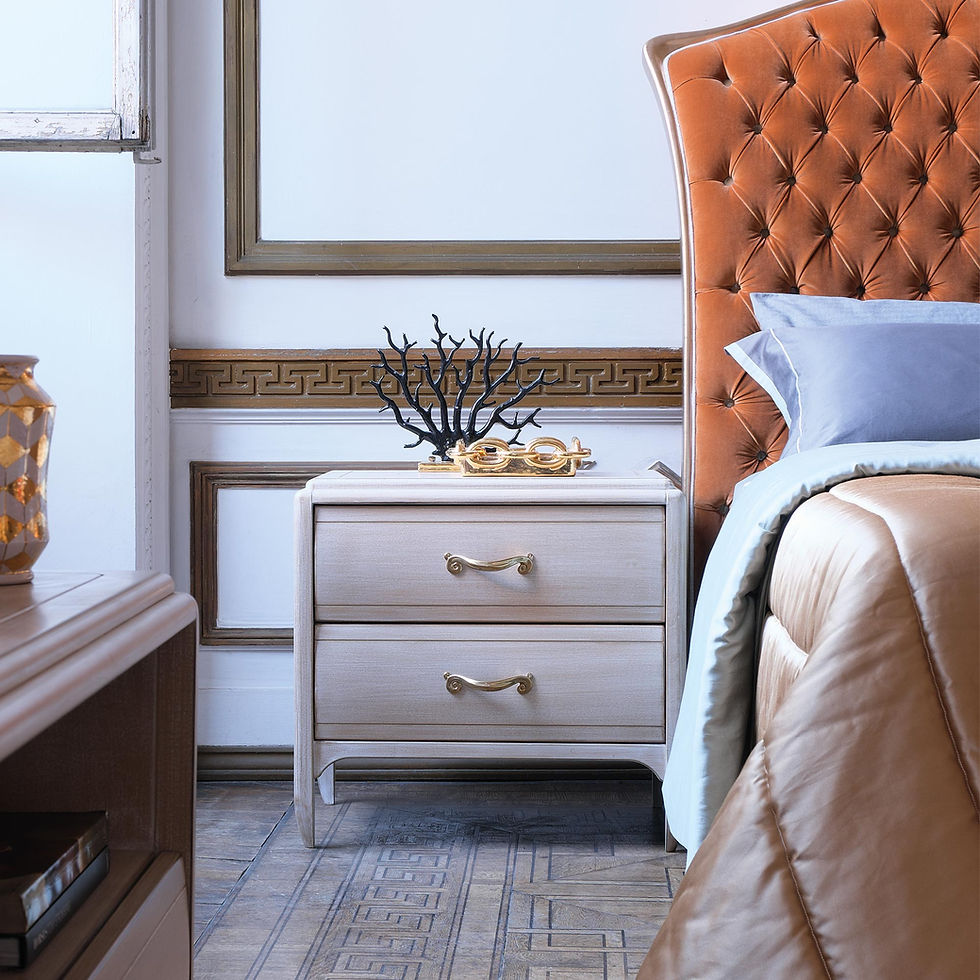
Bedding and Headboards: Bedding benefits from breathable materials like linen and cotton blends. Headboards, on the other hand, can feature velvet, linen, or bouclé for superior tactile impact.
DURABILITY, MAINTENANCE, AND PRACTICALITY
True luxury design balances beauty with everyday functionality. Understanding textile durability is essential when selecting fabrics.
Rub Count (Martindale): This rating measures abrasion resistance. High-end upholstery usually requires a rub count suitable for frequent use, often upwards of 20,000 rubs. Performance fabrics may test far higher.
Cleaning Requirements: Silk and intricate weaves need professional care, while wool, linen blends, and performance fabrics may allow easier maintenance. Homeowners must factor in lifestyle needs when selecting materials.
Sunlight and Moisture Considerations: Sunlight can degrade delicate fibres like silk, causing fading or weakening. In moisture-prone environments, breathable fabrics or treated textiles perform better.
TEXTILE STYLE AND DESIGN IMPACT
Textiles influence the ambience of a space more profoundly than many realise.
Texture and Mood: Plush fabrics like velvet create warmth and intimacy. Crisp linen suggests calm and simplicity. Bouclé offers depth and modern softness. The tactile quality of a fabric shapes how a room feels and how it is experienced.
Layering for Dimension: Luxury spaces often rely on layered textiles to achieve depth. Combining velvet cushions, linen drapery, and a bouclé headboard builds visual richness without overwhelming the design.
Colour and Pattern: The weave and fibre determine how colour appears. Silk intensifies colour through sheen, while wool absorbs it to produce a matte richness. Patterned weaves like damask or brocade add heritage and interest.
COMMON MISTAKES AND HOW TO AVOID THEM
Even in luxury design, textile choices can go wrong.
Using Delicate Fabrics in High-traffic Areas: Silk velvet on a frequently used sofa will wear quickly, losing pile and lustre. Choosing mohair velvet or high-performance chenille prevents premature damage.
Disregarding Maintenance Needs: Some fabrics require dry cleaning or professional care. Ignoring this leads to staining or deterioration. Always consider long-term upkeep.
Choosing Fabrics Based Solely on Looks: A fabric may appear perfect but perform poorly. Durability tests, fade resistance, and stain protection are essential considerations.
Overusing Texture or Pattern: Layering is important, but too much texture creates visual heaviness. Aim for balance across smooth, matte, plush, and ribbed surfaces.

Textiles are at the heart of luxury interior design. The right materials bring depth, comfort, integrity, and personality into a space. From the plush sophistication of velvet to the relaxed elegance of linen, each textile plays a distinct role in shaping atmosphere and enhancing the homeowner’s lifestyle. Understanding where to use these fabrics, how they perform, and what they contribute helps create interiors that are both refined and enduring. If done well, the textiles you choose will become the quiet signatures of luxury that enrich every room and elevate daily living.
Comments