
Spatial Flow & Zoning: Getting the Layout Right in Open-Plan Luxury Homes
Open-plan living has long been synonymous with contemporary luxury — a seamless flow between spaces that feels expansive, elegant, and effortlessly social. Yet, behind every beautifully balanced open-plan home lies a carefully considered layout. When spatial flow and zoning are handled well, the result is an environment that feels intuitive, functional, and deeply refined. When neglected, however, even the most luxurious spaces can feel confusing or cold.
Understanding how to create coherence and comfort within open-plan living requires both design strategy and creative sensitivity. In this post, we discuss how homeowners and designers can perfect the art of flow and zoning to bring sophistication and harmony to every corner of an open-plan luxury home.
UNDERSTANDING SPATIAL FLOW IN OPEN-PLAN HOMES
Spatial flow is about how people move through a home — the ease with which one transitions from one area to another. In open-plan living, where physical walls are minimal or absent, this flow is guided by visual cues, furniture arrangement, lighting, and architectural details.
A home with good flow feels effortless to navigate. It invites movement while maintaining a sense of order and rhythm. In contrast, poor spatial flow can leave areas feeling disjointed or awkwardly positioned, interrupting the home’s sense of calm and cohesion. For luxury spaces, achieving the right flow is about balancing freedom and structure: openness without chaos, spaciousness without emptiness.
THE IMPORTANCE OF ZONING IN LUXURY INTERIORS
Zoning is the process of defining distinct functional areas within an open-plan space. Instead of walls, zoning relies on design elements — such as furniture placement, flooring transitions, or lighting layers — to subtly delineate areas for different activities.
In luxury interiors, zoning elevates both form and function. It ensures that a kitchen retains its purpose without overwhelming a lounge area, or that a dining space feels intimate yet connected. Zoning also enhances comfort by allowing each zone to express a tailored atmosphere while remaining visually cohesive with the rest of the home. The beauty of zoning lies in its flexibility. Done well, it maintains openness while creating a sense of purpose and intimacy across the entire layout.
CREATING HARMONY BETWEEN OPENNESS AND FUNCTION
The essence of a successful open-plan layout is harmony — the delicate balance between visual connection and functional separation. Here are core strategies for achieving this equilibrium:
Define Circulation Paths: Pathways are invisible design tools that guide movement through a space. By establishing natural routes from one zone to another, you prevent congestion and encourage fluidity. These can be subtly defined through furniture placement, changes in flooring material, or even ceiling treatments that visually connect key areas.
Layer Functions Without Overlap: A common mistake in open-plan layouts is blending functions too tightly, such as positioning dining tables directly beside kitchen islands or televisions opposite busy walkways. Instead, arrange furniture and decor in a way that creates gentle transitions, ensuring that each zone has breathing room without feeling disconnected.
Maintain Visual Continuity: Use consistent design language — such as complementary materials, tones, or textures — to unify the entire space. This doesn’t mean everything should match; rather, it should feel as though every area is part of a cohesive story. Luxury interiors often achieve this through subtle repetition of finishes like brushed brass, marble, or oak across multiple zones.
TECHNIQUES FOR EFFECTIVE ZONING
Zoning can be executed in multiple creative and sophisticated ways. The key is to establish identity for each area without resorting to physical barriers.
Use Furniture as Natural Dividers: Statement furniture pieces, like a tailored sofa or a console table, can define the edge of one zone while marking the beginning of another. In living-dining spaces, for instance, a large sectional can anchor the lounge area and create a clear visual break from the dining table behind it.
Incorporate Rugs to Ground Spaces: Rugs are powerful zoning tools in luxury design. They frame areas, add warmth, and introduce texture. A rug beneath a seating cluster can immediately signal the boundaries of a lounge area, while a different weave or tone beneath a dining table distinguishes it as its own setting.
Leverage Lighting Layers: Lighting has the ability to both separate and connect zones. Pendant lighting over a dining table or island instantly defines that area’s function, while recessed or ambient lighting ties the entire space together. Layering light sources at different heights enhances depth and atmosphere.
Experiment with Floor and Ceiling Treatments: Varying materials, tones, or levels between zones can subtly cue transitions. A shift from marble in the kitchen to oak in the dining area, or a coffered ceiling over a lounge, helps each zone establish its own character while maintaining cohesion.
Introduce Partial Screens or Architectural Framing: Open shelving, glass partitions, and framed arches offer soft separations without blocking sightlines. They preserve the sense of openness while enhancing intimacy and depth in each area.
LIGHTING AS A TOOL FOR FLOW AND ZONING
Lighting is more than a functional necessity; it’s an architectural language that guides how a space feels and behaves. In open-plan homes, it can delineate zones, highlight focal points, and create pathways of movement.
Task Lighting for Definition: Pendant or directional lights in specific zones signal their purpose — such as pendant lights over dining areas or under-cabinet lighting in kitchens.
Ambient Lighting for Cohesion: Recessed lights or concealed LED strips help unify zones, ensuring the entire space feels part of the same composition.
Accent Lighting for Drama: Wall lights or floor lamps can draw attention to artwork, architectural details, or statement furniture, creating visual rhythm and flow.
INTEGRATING FURNITURE LAYOUT WITH ARCHITECTURAL INTENT
The furniture layout is integral to achieving effective spatial flow. It should reinforce, not fight, the home’s architectural rhythm. When planning furniture placement:
Align major pieces with sightlines and natural light sources to preserve openness.
Allow sufficient circulation space between items to avoid visual clutter.
Anchor each zone around a central point — a coffee table, a chandelier, or a fireplace — to promote spatial clarity.
Choose pieces that complement proportions. Oversized furniture can overwhelm small areas, while undersized items can make expansive rooms feel sparse.
The relationship between architecture and furnishing should feel intentional, not accidental, with each enhancing the other’s sense of balance and luxury.
MAINTAINING INTIMACY IN EXPANSIVE OPEN-PLAN LAYOUTS
One of the greatest challenges of large open-plan designs is ensuring that the space remains warm and inviting. Without careful zoning, such interiors can feel impersonal. To maintain intimacy:
Introduce varied scales within the same room. Pair grand architectural gestures with soft furnishings and tactile finishes.
Use clusters of furniture to create smaller conversational pockets.
Employ warm lighting tones and layered textiles to soften acoustics and atmosphere.
Incorporate elements like fireplaces, feature walls, or art displays to add human scale and emotional depth.
These elements ground the space, turning openness into comfort and grandeur into warmth.
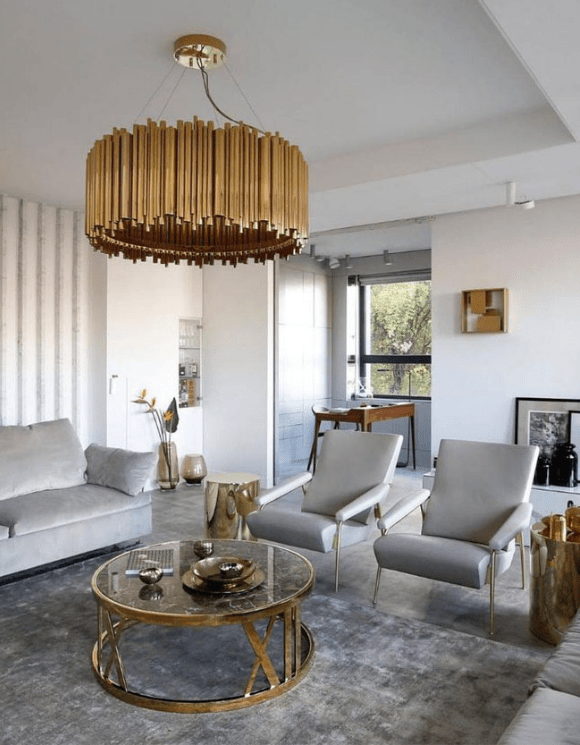
Spatial flow and zoning are the silent orchestrators of luxury open-plan living. They dictate how the space feels, functions, and connects. When done thoughtfully, they elevate a home from beautiful to masterfully composed.
Designing with flow and zoning in mind allows homeowners and designers alike to shape spaces that are not just visually stunning, but experientially rich.


Comments