
2025 Luxury Interior Trends That Will Endure
The ghost of that trendy £10,000 statement furniture still haunts the living room. What felt cutting-edge in 2019 now screams dated desperation, a costly reminder that not all trends deserve our investment. Yet somewhere in the swirl of 2025's emerging luxury interior movements lie the future classics: design directions that will define sophisticated spaces for decades to come. The difference between trend-chasing and trend-investing lies in understanding which movements represent genuine evolution rather than mere novelty. The most enduring luxury trends don't abandon timeless principles; they reinterpret them through contemporary lenses, creating designs that feel both current and eternal.
This year's luxury interior landscape presents a fascinating paradox: in our hyper-digital age, the trends gaining the most traction among discerning homeowners are those that celebrate handcraft, natural materials, and human connection. These aren't coincidental preferences but strategic responses to our increasingly virtual world, making them inherently future-proof investments rather than fleeting fashions.
THE INVESTMENT MINDSET
Luxury interior design operates on different principles than mainstream decorating. When furniture pieces cost tens of thousands and renovations require six-figure investments, the stakes of getting trends wrong become exponentially higher. The luxury homeowner who embraces every passing trend faces not just aesthetic embarrassment but substantial financial loss when those choices inevitably date.
The cost of trend-driven mistakes extends far beyond initial purchase prices. Replacing an expensive dining suite because its on-trend silhouette now feels dated represents money lost, but also disruption to carefully curated spaces and the emotional investment made in pieces that once felt perfect. These costly corrections explain why experienced luxury homeowners approach trends with strategic caution rather than enthusiastic adoption. Smart trend investment requires recognising which movements represent genuine cultural shifts rather than social media moments. The trends that endure typically respond to deeper human needs, technological advances, or cultural values that persist beyond single seasons. They often reinterpret classical principles rather than abandoning them entirely.
Quality materials as trend insurance provide protection against rapid obsolescence. A beautifully crafted piece in an exceptional material can weather minor style shifts precisely because its inherent quality transcends momentary preferences. Conversely, trend-driven pieces executed in mediocre materials become doubly dated when both style and quality feel outdated. The luxury market's slower adoption cycles actually benefit those willing to invest thoughtfully. By the time a trend reaches luxury showrooms and bespoke makers, it has typically proven its staying power through broader cultural acceptance. This natural filtering process helps separate genuine movements from passing fads.
Future-proof design strategy involves building rooms around timeless foundations while incorporating contemporary elements through more easily changed accessories, textiles, and accent pieces. This approach allows for style evolution without requiring complete space overhauls when preferences shift or new trends emerge.
TRENDS AND TIMELESSNESS
The trends most likely to become tomorrow's classics share specific characteristics that distinguish them from mere fashion moments. Understanding these qualities helps identify which 2025 movements deserve serious consideration for permanent installations.
Echoing Historical Precedents often signals trend longevity. The most enduring contemporary styles typically reinterpret rather than invent, drawing inspiration from design movements that have already proven their lasting appeal. These trends feel familiar yet fresh, connecting to our design heritage while addressing contemporary needs and sensibilities. Classical proportions, symmetrical arrangements, and time-tested material combinations form the foundation of enduring style. When contemporary trends incorporate these elements, they gain inherent stability that transcends momentary preferences. The golden ratio didn't become obsolete with the invention of Instagram, and design movements that respect these mathematical relationships enjoy built-in longevity.
Craftsmanship Quality serves as perhaps the most reliable predictor of trend endurance. Movements that celebrate skilled handwork, traditional techniques, and material excellence tend to outlast those focused purely on visual novelty. The appreciation for artisanal quality reflects deeper cultural values around authenticity and permanence that persist across style cycles. The current luxury market's emphasis on provenance, maker stories, and traditional techniques represents more than aesthetic preference. These values reflect fundamental human responses to our increasingly automated world, making craftsmanship-focused trends inherently sustainable regardless of superficial style changes.
Sustainability Integration has moved from optional consideration to essential requirement in luxury design. Environmental consciousness among affluent consumers creates lasting demand for materials and methods that align with these values. Trends that successfully integrate sustainability without compromising luxury appeal gain permanent relevance that transcends style considerations.
Functional Excellence distinguishes lasting trends from purely aesthetic movements. The trends that endure typically improve how spaces function, not just how they look. This practical foundation ensures continued relevance even as visual preferences evolve, because improved functionality never goes out of style.
2025's FUTURE CLASSICS
Among this year's luxury interior movements, eight trends demonstrate the characteristics that suggest genuine longevity. These represent investment-worthy directions that combine contemporary relevance with timeless appeal.
Warm Metallic Finishes
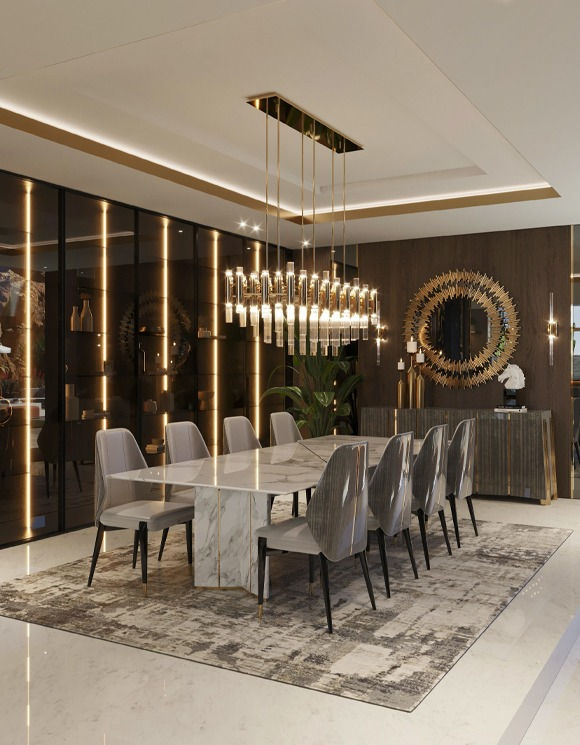
The shift toward warm metallics in 2025 represents more than simple colour preference; it signals a fundamental change in how luxury interiors approach glamour and sophistication. Gold, bronze, and copper tones create connections to classical luxury traditions whilst offering contemporary interpretations that feel fresh rather than derivative.
Why This Trend Endures: Warm metals have anchored luxury interiors for centuries because they reflect light beautifully, age gracefully, and complement both neutral and bold colour schemes. Unlike trendy finishes that depend on novelty for impact, warm metallics enhance rather than dominate their settings, making them inherently versatile and long-lasting. This year's interpretation emphasises brushed and antiqued finishes over high-polish surfaces, creating more sophisticated, less flashy applications that integrate seamlessly with various design styles. These subtle treatments avoid the ostentatiousness that dates metallic trends, instead offering refined luxury that improves with age. Hardware, lighting fixtures, and accent elements in warm metals provide perfect opportunities for incorporating this trend without major commitments. Custom pieces can integrate these finishes in ways that feel integral rather than applied, creating lasting installations that enhance rather than define spaces.

Curved and Organic Forms
The movement toward curved furniture and organic shapes is a reaction against the rigid minimalism that dominated luxury design for the past decade. This trend embraces flowing lines, rounded edges, and asymmetrical forms that echo natural patterns and create more human-centred environments.
Why This Trend Endures: Curved forms feel inherently comfortable because they mirror human body shapes and natural environments. Unlike angular designs that can feel cold or imposing, organic shapes create welcoming spaces that encourage relaxation and connection. These psychological benefits ensure continued relevance regardless of style trends. Bespoke furniture offers ideal opportunities for incorporating curved elements through custom seating, tables, and built-in elements that feel integral to architectural spaces. Flowing forms require skilled craftsmanship to execute properly, making them perfect candidates for high-quality custom work that justifies significant investment. The trend extends beyond individual pieces to encompass room layouts, ceiling treatments, and architectural details that create cohesive organic environments. These comprehensive applications demonstrate the trend's depth and suggest its capacity for long-term influence rather than superficial adoption.

Sustainable Luxury
Sustainability has evolved from eco-friendly option to luxury requirement, driven by consumer values that show no signs of weakening. The 2025 interpretation focuses on materials and methods that deliver exceptional quality while meeting increasingly sophisticated environmental standards.
Why This Trend Endures: This trend endures because it reflects fundamental shifts in consumer consciousness that extend beyond design preferences. Luxury buyers increasingly evaluate purchases through sustainability lenses, making environmentally conscious choices permanent market requirements rather than passing considerations. Reclaimed materials, responsibly sourced woods, and low-impact manufacturing methods now compete directly with traditional luxury materials on quality grounds. Advanced techniques allow sustainable options to match or exceed conventional materials in durability, beauty, and performance, eliminating the compromise traditionally associated with eco-friendly choices. Bespoke makers lead this movement by offering complete transparency about material sources, manufacturing methods, and long-term environmental impact. This transparency creates trust and emotional connection that enhance the personal significance of pieces while supporting broader environmental goals.
Rich, Earthy Colour Palettes
The 2025 luxury colour story emphasises deep, grounded tones that connect interiors to natural environments. Burgundy, forest green, warm ochre, and rich brown create sophisticated alternatives to the stark neutrals that dominated previous years.
Why This Trend Endures: Earthy colours endure because they reflect permanent natural elements rather than cultural fashions. These tones have appeared in luxury interiors across centuries and cultures because they create environments that feel both sophisticated and comfortable, formal yet welcoming. The current interpretation layers these rich colours through multiple materials and finishes rather than applying them as single dominant elements. Burgundy might appear in leather upholstery, bronze accents, and artwork rather than painted walls, creating sophisticated colour stories that feel curated rather than themed. Custom furniture offers perfect vehicles for incorporating these colours through rich wood stains, premium leather selections, and fabric choices that create lasting colour impact without committing entire rooms to specific palettes.

Artisanal Glass and Crystal
The revival of handcrafted glass elements, particularly Murano glass lighting and custom crystal installations, represents luxury's return to celebrating visible craftsmanship. These pieces combine artistic heritage with contemporary applications, creating installations that function as sculpture and lighting simultaneously.
Why This Trend Endures: Glass and crystal work represents some of humanity's most ancient luxury crafts, making contemporary interpretations inherently connected to timeless traditions. The skills required for exceptional glass work cannot be automated or mass-produced, ensuring continued exclusivity and value appreciation. Modern applications extend beyond traditional chandeliers to include architectural elements, room dividers, and integrated lighting systems that showcase glass artistry in contemporary contexts. These installations require significant investment but create unique spaces that cannot be replicated through mass-market alternatives. The trend emphasises transparency, light play, and subtle colour integration that enhance architectural spaces without overwhelming them. This restraint ensures long-term compatibility with various design evolution while maintaining dramatic visual impact.

Textural Layering and Soft Furnishings
The 2025 emphasis on rich textures and layered soft furnishings represents luxury's response to our increasingly digital lives. This trend prioritises tactile experiences that screen-based entertainment cannot replicate, creating sensory-rich environments that feel distinctly human.
Why This Trend Endures: Touch remains our most primitive and permanent sense, making textural luxury inherently timeless. The human need for tactile comfort transcends style trends, ensuring continued relevance for approaches that prioritise sensory experience alongside visual appeal. Layered textiles, varied surface treatments, and contrasting materials create environments that invite exploration and interaction. These spaces reward intimate experience in ways that photograph poorly but live beautifully, making them resistant to social media-driven trend cycles that prioritise visual impact over lived experience. Custom upholstery, bespoke textiles, and handcrafted surface treatments offer opportunities for creating unique textural experiences that cannot be purchased off-the-shelf. These investments create lasting sensory pleasure that improves with familiarity rather than fading through repetition.
Architectural Millwork and Built-ins
The trend toward elaborate millwork, custom built-ins, and architectural detailing represents luxury's permanent infrastructure approach. These elements become integral to rooms rather than furnishing them, creating value that transfers with property ownership.
Why This Trend Endures: Built-in elements endure because they become part of architectural fabric rather than removable furnishings. Well-designed millwork improves room proportions, creates storage solutions, and adds character that ages beautifully rather than dating quickly. Contemporary millwork emphasises clean lines and sophisticated proportions rather than ornate historical reproduction. This restraint ensures compatibility with various decorating styles while adding permanent architectural interest that enhances rather than limits future design choices. Custom millwork projects require significant investment but create unique spatial solutions that cannot be achieved through furniture alone. These installations demonstrate commitment to long-term residence and create distinctive character that appreciates over time.
Natural Stone and Premium Wood
The renewed emphasis on exceptional natural materials represents luxury's return to permanent value creation. Premium stones and woods improve with age and use, creating surfaces that develop character rather than showing wear.
Why This Trend Endures: Natural materials endure because they connect spaces to permanent natural elements while improving through use and time. Unlike manufactured surfaces that deteriorate or date, exceptional natural materials develop patina and character that enhance their beauty and value. Contemporary applications emphasise material honesty and showcase natural characteristics rather than attempting uniform perfection. This approach celebrates the uniqueness that makes natural materials valuable while ensuring long-term compatibility with various design approaches. Bespoke applications allow for exceptional material selection and custom fabrication that maximise natural beauty while ensuring proper installation and finishing for long-term durability and performance.

2025 TRENDS TO APPROACH WITH CAUTION
Not every contemporary trend deserves investment consideration. Several movements this year show characteristics that suggest limited lifespan or problematic long-term implications for luxury interiors.
Ultra-Trendy Color Combinations that depend entirely on novelty for impact often fade quickly once their shock value diminishes. Combinations like neon green with hot pink might create striking Instagram content but lack the sophisticated balance required for comfortable daily living in luxury environments.
Technology-Dependent Design Elements face obsolescence risks as systems evolve and improve. Smart home integration should enhance rather than define spaces, because technology-centric designs date rapidly when newer systems emerge or current solutions prove unreliable.
Instagram-Driven Maximalist Moments prioritise photogenic impact over liveable functionality. These approaches often create spaces that photograph beautifully but prove exhausting for daily habitation, leading to inevitable revision when novelty wears thin.
Fast-Fashion Furniture Interpretations attempt to capture luxury trends through inferior materials and construction. These pieces promise style at reduced cost but deliver neither lasting beauty nor durability, making them false economies that require replacement when both quality and style prove inadequate.
THE IDEAL TREND CURATION STRATEGY
Successfully incorporating contemporary trends requires strategic thinking about which elements to embrace permanently versus temporarily. The most sophisticated luxury interiors layer trend elements thoughtfully rather than committing entire spaces to specific movements.
The 80/20 Investment Rule suggests allocating roughly eighty percent of budget toward timeless elements that will remain beautiful and functional for decades. The remaining twenty percent can explore current trends through more easily changed elements like textiles, accessories, and accent pieces.
This approach allows for style evolution without requiring complete space overhauls when preferences change or new trends emerge. Major investments in furniture, built-ins, and architectural elements focus on enduring quality and functionality, while trend experiments happen through less permanent installations.
Strategic Trend Integration focuses on incorporating contemporary elements that enhance rather than dominate established foundations. A classic room might adopt warm metallic hardware or curved accent tables without abandoning its fundamental character or requiring wholesale changes.
Room-by-Room Priorities recognise that different spaces accommodate trend experimentation differently. Formal reception rooms might embrace trends more conservatively than private spaces where personal preference can guide decisions without entertaining considerations. Public spaces benefit from more timeless approaches that ensure broad appeal and lasting sophistication. Private areas like studies, bedrooms, or family rooms offer opportunities for more personal trend interpretation without compromising overall design coherence.
Budget Allocation Wisdom invests most heavily in elements that cannot be easily changed: built-in millwork, architectural details, major furniture pieces, and high-traffic surfaces. Trends enter through elements that can evolve: textiles, artwork, lighting fixtures, and decorative accessories.
THE REVEALRY ADVANTAGE
Navigating the intersection of contemporary trends and timeless design requires expertise that extends beyond current fashion awareness to encompass historical perspective, material knowledge, and long-term value understanding. This complex evaluation makes professional guidance essential for significant interior investments. At The Revealry, you can rest assured that you'll never go wrong with trend integration.
Expert Trend Analysis helps distinguish between movements with genuine staying power and those driven purely by novelty or social media attention. Our designers maintain comprehensive awareness of emerging trends while filtering them through decades of experience with design longevity and client satisfaction. We evaluate trends based on multiple criteria: their relationship to timeless design principles, the quality of their typical execution, their compatibility with luxury lifestyle requirements, and their track record in comparable applications. This analysis helps clients make informed decisions about which movements deserve serious consideration versus those better approached with caution.
Bespoke Integration Approach allows for incorporating trend elements through custom pieces that feel integral rather than applied to existing spaces. This method ensures that contemporary additions enhance established foundations rather than competing with them or requiring wholesale changes to accommodate new directions. Custom solutions can interpret trend elements in ways that match specific space requirements, personal preferences, and existing design contexts. A curved furniture trend might inspire a custom banquette that incorporates flowing lines appropriate to specific architectural conditions rather than forcing standard curved pieces into incompatible settings.
Quality Material Sourcing ensures that trend-inspired elements receive execution standards that support long-term satisfaction and performance. Inferior materials can sabotage even the most sophisticated design concepts, while exceptional materials can elevate simple designs into lasting installations. Our sourcing relationships provide access to materials and craftspeople capable of executing contemporary design concepts with traditional quality standards. This combination ensures that trend-inspired pieces deliver lasting beauty and functionality that justify their investment regardless of style evolution.
Long-Term Design Relationships recognise that luxury interiors evolve gradually rather than changing completely with each trend cycle. Our ongoing client relationships allow for strategic space evolution that incorporates meaningful contemporary elements while maintaining overall design coherence and character. These relationships enable us to track client preference evolution, spatial requirement changes, and lifestyle developments that influence design decisions. This understanding helps ensure that trend integration serves genuine needs rather than following arbitrary fashion dictates.
The trends that will define luxury interiors for years to come share common characteristics: they enhance rather than abandon timeless principles, celebrate exceptional materials and craftsmanship, and respond to permanent human needs rather than temporary cultural fashions. Recognising these qualities helps distinguish between movements worthy of serious investment and those better appreciated from a distance. The most successful luxury interiors have always balanced contemporary relevance with enduring appeal. The 2025 trends most likely to achieve this balance celebrate handcraft, natural materials, and human-scaled comfort in ways that feel both current and eternal. These movements represent genuine evolution in luxury design thinking rather than mere fashion cycling.
Be ahead of the curve with design that lasts—partner with our curators today to identify and integrate the trends that will define sophisticated interiors for decades to come.


Comments